Covering without controlling. Formation without indoctrination.
A fellowship for theological formation, apostolic covering and transformative ministry, convened by Dr. Napoleon A. Bradford.
Equipping Minds · Nurturing Gifts · Covering Ministries · Transforming Communities


A fellowship that equips, not controls.
The Cathedral of Champions is a Christ-centered, theologically engaged apostolic fellowship committed to developing spiritually grounded, intellectually equipped and socially conscious leaders and ministries. It serves as a center for theological teaching, spiritual exploration, leadership development and ministry collaboration.
We create spaces where inherited assumptions can be examined, difficult questions can be explored, spiritual gifts can be nurtured and emerging visions of ministry can be developed.
Authentic spiritual formation requires more than religious familiarity. It demands intellectual honesty, theological depth, cultural awareness, spiritual maturity and a commitment to the dignity and wholeness of humanity.
Leaders are equipped rather than controlled, gifts are affirmed rather than suppressed, and ministries are supported rather than made dependent.
Connected missions, distinct callings.
The Cathedral of Champions serves as the apostolic covering fellowship for The Perfecting Place.
The CathedralDevelops and equips.
The primary teaching and leadership formation arm: advancing theological inquiry, developing leaders and supporting ministry initiatives with resources, apostolic support and guidance.
 The Perfecting Place
Embodies and engages.
A distinct ministry community focused on worship, discipleship, pastoral care, community engagement and the practical pursuit of healing and wholeness.
Visit The Perfecting PlaceTheology must do more than inform what we believe. It must transform how we live, lead, serve and engage the communities in which we are planted.
The Divided Mind of Black Christians.
DeConstructing · DeColonizing · ReIndigenizing · DeCoding · ReImagining
January to December 2027. Reclaiming our spiritual identity. Recovering our ancestral wisdom. Reconstructing liberating faith.
What happens when the faith that helped our ancestors survive also carries theological assumptions inherited from systems that oppressed them?
Christianity has given Black communities a language of freedom, hope, dignity, resistance and survival. Yet Christian institutions and interpretations have also been used to legitimize racial hierarchy, colonial domination, patriarchy and political supremacy. This twelve-month journey engages that tension through scholarship, Scripture, historical investigation, spiritual reflection and communal dialogue.
We are not asking participants to abandon their faith. We are inviting them to examine its formation, confront its contradictions, recover marginalized wisdom and develop a more intentional understanding of what they believe and practice.
The five movements of our journey
DeConstructing
Examining inherited theological assumptions, religious traditions and institutional structures to understand how they developed and whose perspectives they privilege.
DeColonizing
Identifying and challenging the influences of colonialism, racial supremacy, religious nationalism and cultural domination on Christian belief and practice.
ReIndigenizing
Recovering and critically engaging African spiritual philosophies, ancestral wisdom, cultural memory, communal ethics and indigenous ways of knowing.
DeCoding
Developing tools to engage Scripture, doctrine, worship and spiritual narratives through Black liberation, womanist, African-centered and historical-critical perspectives.
ReImagining
Constructing life-giving approaches to spiritual formation, leadership, worship and community engagement that prioritize dignity, justice, healing and collective wholeness.
Twelve months, four quarters.
Tap any month to see its guiding question.
DeConstructing and DeColonizing Christianity
Confronting the inherited faith
JanuaryWho Told You You Were Christian?
Guiding questionWho has shaped my understanding of Christianity, and how have I evaluated their authority?
FebruaryWhen Christianity Becomes Nationalism
Guiding questionWhat happens when loyalty to a nation becomes difficult to distinguish from loyalty to GOD?
MarchThe Colonized Christ and the Captive Church
Guiding questionHow do we distinguish the message of Jesus from the cultural and political interests of those who have interpreted Him?
ReIndigenizing Faith and Spiritual Identity
Recovering what colonization displaced
AprilBefore the Colonizers: Africa’s Spiritual and Theological Heritage
Guiding questionWhat changes when Africa is understood as a source of theological knowledge rather than merely a destination for religious conversion?
MayThe Spirituality of Our Ancestors
Guiding questionWhat spiritual knowledge has been preserved within our communities, even when its African origins were forgotten or rejected?
JuneReIndigenizing the Black Spiritual Imagination
Guiding questionWhat would our spiritual lives look like if community, interdependence, cultural memory and collective responsibility were central to our formation?
DeCoding Scripture and Spiritual Narratives
Reclaiming interpretive authority
JulyWho Controls the Interpretation?
Guiding questionWho has been authorized to interpret Scripture, and whose experiences have been excluded from that process?
AugustReading Scripture Through Black Liberation and Womanist Eyes
Guiding questionHow does the meaning and application of Scripture change when we listen to those historically pushed to the margins?
SeptemberDeCoding Doctrine and Spiritual Authority
Guiding questionWhich convictions have we developed through informed theological reflection, and which have we accepted primarily through religious inheritance?
ReImagining Liberated Faith
Reconstructing faith for collective flourishing
OctoberBeyond the Colonial Church
Guiding questionWhat would ministry look like if spiritual authority were measured by service, accountability and the flourishing of others?
NovemberHealing the Divided Mind
Guiding questionHow do we integrate our spiritual convictions, cultural identities and lived experiences without denying any part of our humanity?
DecemberCreating a Champion Culture
Guiding questionWhat must we now believe, practice, build and become to embody a more liberating expression of faith?
Serious inquiry. Independent understanding.
Our objective is not to replace one unquestionable theological system with another. It is to equip participants to study carefully, think critically, discern responsibly and articulate their convictions with integrity. We welcome rigorous questions, thoughtful disagreement and responsible engagement with perspectives that challenge inherited assumptions.
- Christian Scripture and the teachings of Jesus, with particular attention to the Sermon on the Mount and the relationship between faith and lived ethics.
- Black Liberation Theology, examining liberation, racial oppression, social structures and the public implications of faith.
- Womanist Theology, centering Black women’s experiences, theological insights, survival, agency and flourishing.
- African Spirituality and Indigenous Epistemologies, exploring diverse African traditions, philosophies and understandings of sacred life.
- Decolonial Theology and Historical Inquiry, investigating how empire, colonial power and cultural assumptions shape religious knowledge.
- Constructive and Public Theology, translating theological understanding into ethical leadership, ministry practice and community responsibility.
Pastors, ministers, clergy, theological students, educators, scholars, nonprofit leaders, community advocates and anyone exploring the relationship between Christianity, African spiritual identity and liberation. A willingness to engage difficult questions respectfully matters more than agreement on every conclusion.
Monthly theological teaching sessions, curated reading and reflection resources, facilitated discussion and quarterly opportunities to apply what you learn. The year closes with a personal theological reflection or ministry application project.
Online and in person
January to December 2027
$19.99 a month
Teaching dates and registration will be announced. Join the interest list to hear first.
Apostolic covering and ministry development.
As an apostolic fellowship, the Cathedral supports the development of ministers, ministry leaders, emerging ministries and affiliated faith communities.
Our work includes theological instruction, spiritual formation, leadership development, ministry consultation, collaborative relationships and pathways for ministerial preparation. The Cathedral’s founding framework provides for ministerial licensure and ordination, each with its own educational and developmental requirements, and it respects the individuality of local ministries and their governance. The Cathedral’s bylaws are available on request.
Effective covering should strengthen a ministry’s ability to fulfill its calling, not diminish its identity or independence.
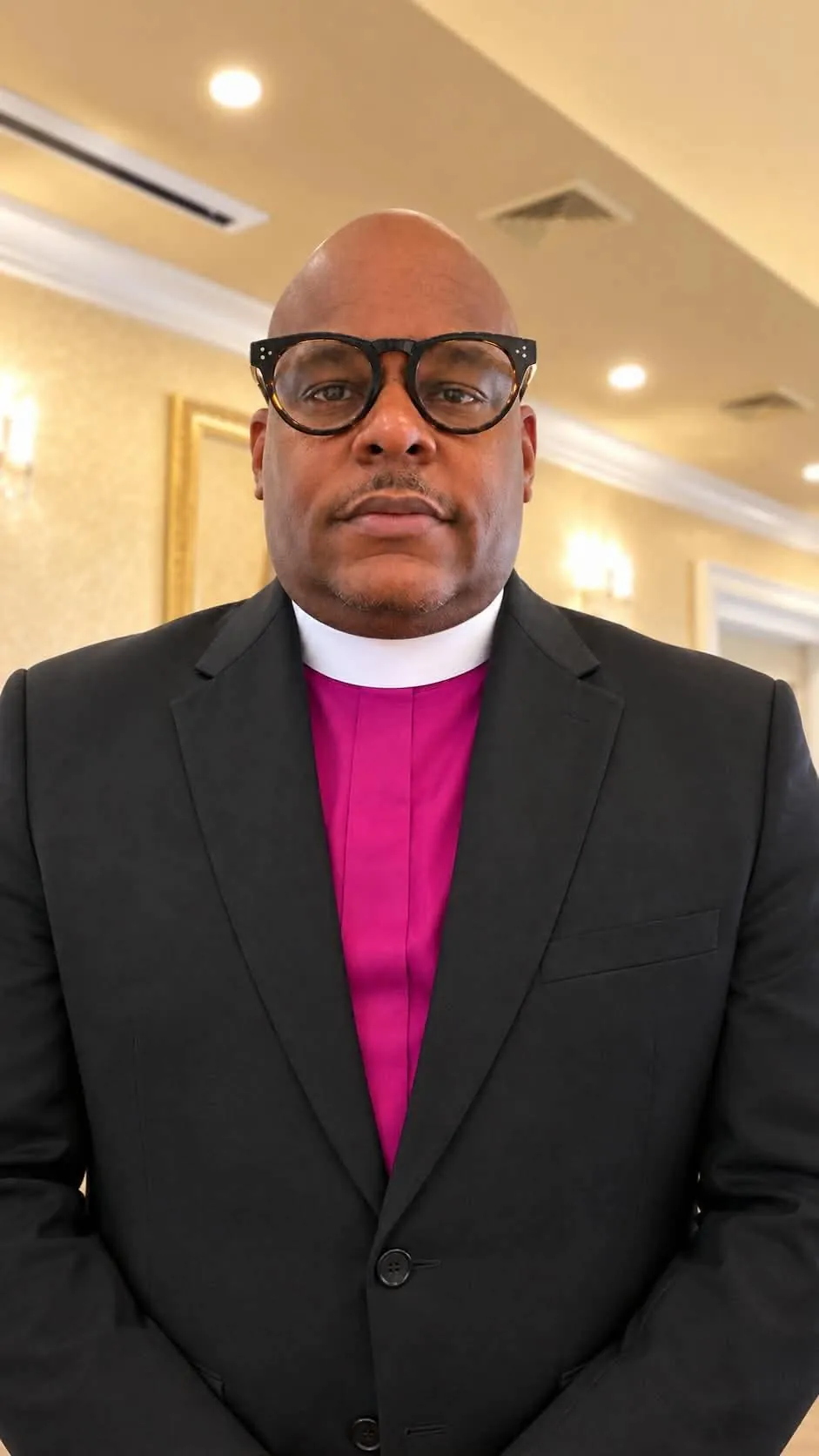
Napoleon A. Bradford, D.Min., Ed.S.
A pastor, theologian, military chaplain, counselor, educator and community advocate whose work engages Black spiritual identity, African epistemology, Black liberation and womanist theology, and the responsibility of faith communities to promote healing and wholeness. He holds that faith must be both intellectually examined and practically embodied.
Read his full storyYour questions are welcome. Your heritage matters.
You do not have to abandon your spiritual identity to examine how it was formed. Come prepared to question, examine, recover, reinterpret and reimagine.
Questions? Email [email protected]